In our lab, we explore how modern chemical tools and methods can be applied in biological contexts for therapeutic and synthetic purposes
Novel bioorthogonal catalysts
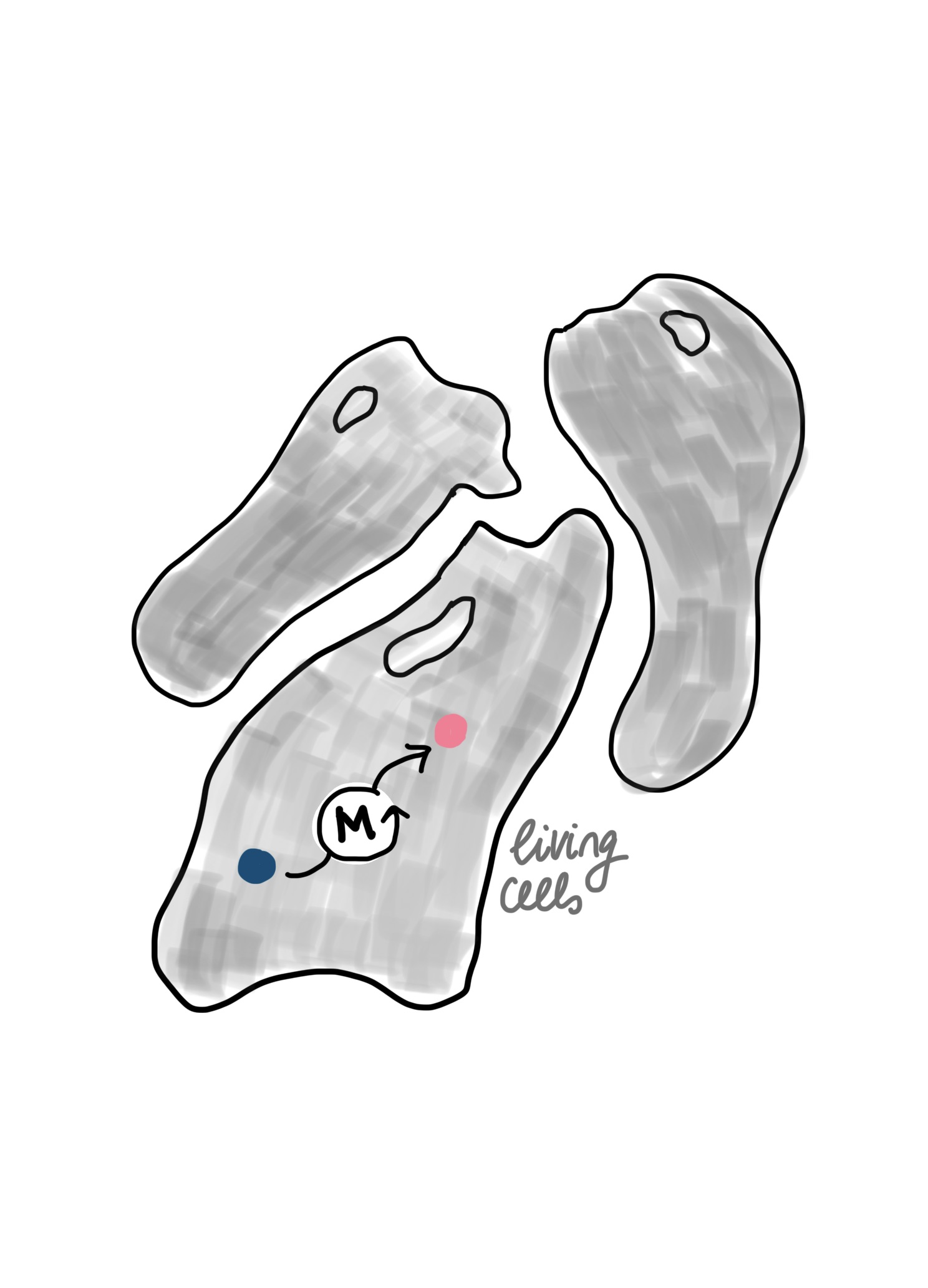
Bioorthogonal catalysis is an exciting and rapidly evolving field where non-natural (abiotic) catalysts are used inside cells and living systems to enable chemical reactions that are not naturally performed by enzymes, so-called new to nature reactions.
This approach opens up many possibilities for both therapeutic and synthetic applications. However, to make these new to nature reactions work inside cells and living systems, the abiotic catalysts employed must exhibit high operational stability: they need to keep functioning in the complex environment of a living cell, where many biomolecules could interfere with their activity.
That is why our research focuses on designing modular, peptide-based ligand scaffolds, that can host and protect different transition metals. Using these bioorthogonal ligand scaffolds, we aim to create robust yet active catalysts that can operate inside biological environments.
New ways to activate prodrugs
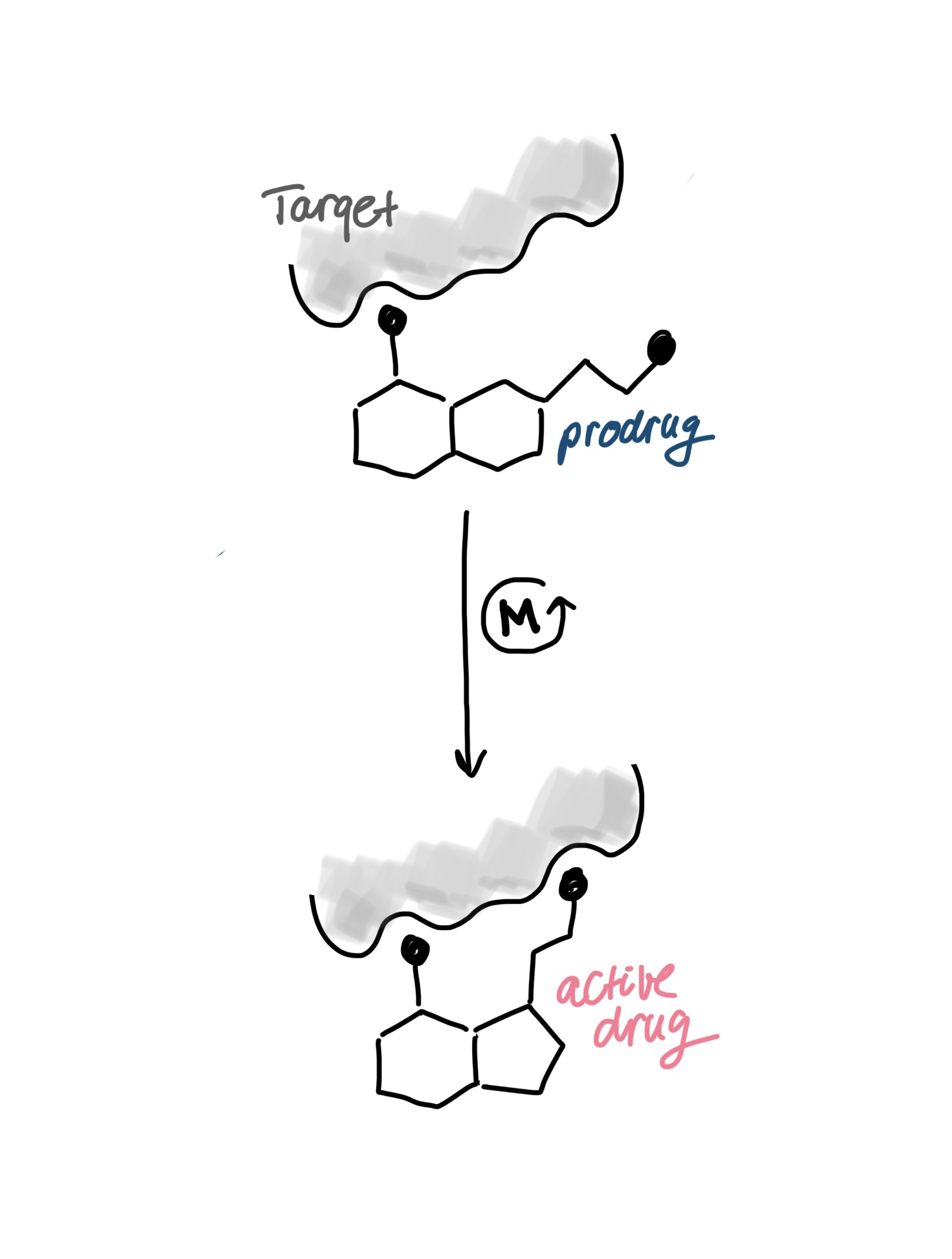
Prodrugs are molecules with little or no biological activity that can circulate harmlessly through the body until they are converted into their active form, known as the parent drug. Although many were originally discovered by chance, prodrugs have proven highly effective at improving or eliminating undesirable properties of their parent compounds, such as poor solubility, low stability, or unwanted side effects.
Prodrugs therefore offer an attractive strategy for developing safer and more effective medicines. However, the scope of chemical reactions that can selectively convert a prodrug into its active form exactly where it is needed in the body remains quite limited.
That is why our research focuses on developing new, catalysis-based strategies for prodrug activation, with the goal of creating novel prodrugs that can be converted in a controlled manner.